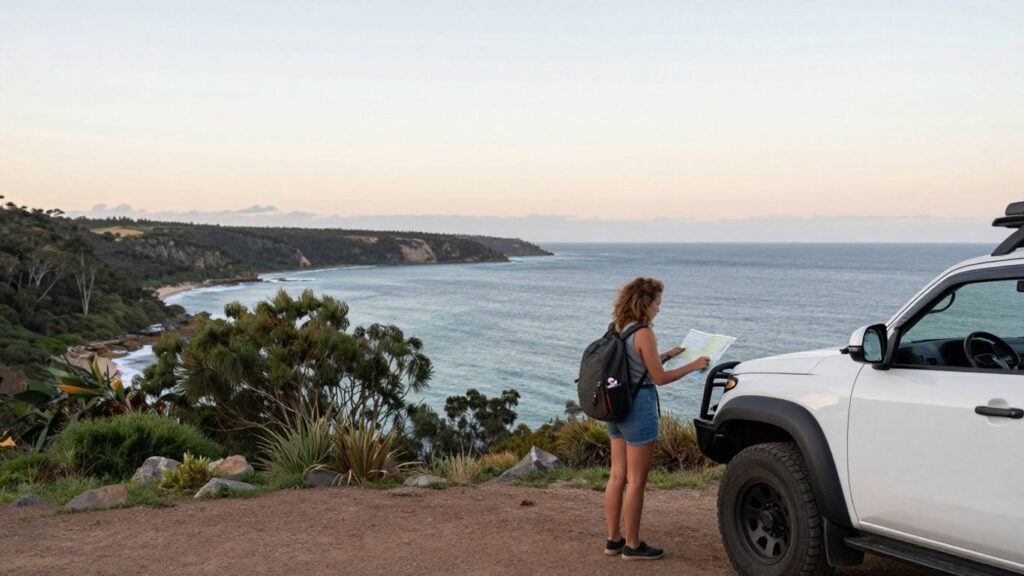
Solo travel safety Australia: A practical guide for traveling with confidence
Key Takeaways
A safer solo trip comes down to preparation, flexible choices, and paying attention to what’s happening around you. Use these ideas as a starting point, then adjust them to suit your route and comfort level.
- Check local conditions and travel advice for each region on your route.
- Share your plans with someone you trust and agree on check-ins.
- Choose transport and accommodation that suit your itinerary and comfort level.
- Prepare for changing weather, long distances, and limited mobile coverage.
- Change your plans if a place, situation, or activity doesn’t feel right.
Plan a safer solo trip before you go
Australia’s scale can make a trip feel very different from one region to the next. A little research before you set off helps you plan around local conditions instead of relying on assumptions. Build in flexibility, too; a good itinerary should make it easier to change course when needed.
Research regional risks, seasonal conditions, and local advice
Check conditions for the specific places you plan to visit, not just the major city you’re flying into. Weather, fire or flood disruptions, and coastal conditions can vary by region and season, so look for current local information as your trip approaches. The table below is a simple prompt for the kinds of details to check.
| Part of your route | What to check | Why it matters |
|---|---|---|
| Coastal stops | Surf conditions and local beach guidance | Conditions can change, and beaches differ in hazards and facilities. |
| Inland or remote areas | Road access, water availability, and mobile coverage | Services and phone reception may be limited between towns. |
| Bushland and parks | Fire conditions, track closures, and park notices | Access and safe routes can change with local conditions. |
| Northern or tropical areas | Seasonal weather and current travel updates | Heavy weather can affect transport and planned activities. |
Use this as a starting point, then check the latest advice from local authorities, transport operators, and park managers. If a route or activity is affected, consider a lower-risk alternative rather than trying to keep to your original schedule.
Share your itinerary and set up regular check-ins
Tell someone you trust where you expect to be and when you plan to move on. Agree on a simple check-in routine that works across time zones and patchy reception, and explain what they should do if they don’t hear from you. Make the plan easy to follow by keeping it realistic and updating it when your route changes.
You can make those check-ins more useful by sharing a few practical details:
- Your accommodation name and the dates you expect to stay.
- Your planned route and approximate arrival times for longer journeys.
- A backup contact method for places with unreliable reception.
- Who to contact if you miss an agreed check-in.
A check-in is not a substitute for local advice or emergency services, but it gives someone a clear picture of your plans. Let them know when you have safely arrived, especially after a long drive or a trip into a remote area.
Prepare travel insurance, emergency contacts, and offline maps
Before you leave, keep key contact details somewhere you can reach without relying on a single device. Save your accommodation details, emergency contacts, and relevant policy information, and download maps for areas where reception may be limited. Read the terms of any travel insurance you arrange so you understand its scope and exclusions; cover can differ between policies.
Keep a written or offline copy of essential details as well as a digital one. A charged phone and a power bank can help, but they won’t solve every coverage gap, so plan your route with that limitation in mind. Recheck your saved information when you change accommodation or travel plans.
Get around Australia safely
The best way to get around depends on where you’re going, how much time you have, and how comfortable you feel with each option. Distances between destinations can be substantial, and a route that looks straightforward on a map may take longer than expected. Choose a pace that leaves room for breaks and changes.
Choose transport that fits your route and comfort level
Compare the practical details of each option before committing: journey time, departure and arrival points, luggage arrangements, and how you’ll get to your accommodation. Public transport may suit some city trips, while other routes call for a coach, train, organized transfer, or rental vehicle. Don’t feel obliged to choose the most adventurous option if another one feels more manageable.
Think through the full journey rather than only the main leg. An early arrival may be less convenient if you still need to travel across town, while a late stop can leave you with fewer onward options. A little breathing room in the schedule makes it easier to handle delays without rushing.
Stay alert on public transit and when using rideshares
Keep your phone, wallet, and travel details secure while you’re moving through busy stations or waiting areas. Before you get into a rideshare, check that the vehicle and driver details match the trip shown in the app, and confirm the destination. If something doesn’t seem right, pause and reassess rather than getting in because you feel rushed.
Choose a waiting spot where you feel comfortable and can see what’s happening around you. Keep enough phone battery for navigation and contacting someone, and avoid displaying valuables unnecessarily. These small habits help you stay attentive without needing to treat every journey as a problem.
Plan ahead for long drives, remote roads, and limited phone coverage
A long drive deserves more planning than simply entering a destination into your map. Check the route, likely stopping places, current road conditions, and where you may lose reception. If you’re driving, be honest about your experience and how rested you feel; it’s safer to pause or change plans than to push on while tired.
A short pre-drive routine can help you avoid preventable surprises:
- Check current road and weather conditions along the route.
- Tell someone your route and expected arrival time.
- Carry water and keep your phone charged before leaving coverage.
- Identify suitable rest stops and overnight options in advance.
Allow extra time for breaks and unexpected delays, and don’t assume that a nearby town or service will be open when you arrive. If conditions change or you’re too tired to continue comfortably, stop somewhere appropriate and revise your plan.
Choose accommodation and protect your belongings
A comfortable place to stay can make solo travel feel more settled, especially after a long day. Look beyond the photos and consider how you’ll reach the property, enter it, and get help if something goes wrong. A few checks before booking can spare you an awkward arrival later.
Check location, reviews, and access arrangements before booking
Read recent reviews for practical details about the location, check-in process, and noise or access concerns. Look at how far the accommodation is from the places you plan to visit and what transport options are available at the times you’ll need them. Confirm arrival instructions and who to contact if you reach the property outside staffed hours.
A central location is not automatically the best fit, and a cheaper room may involve a more complicated trip at night. Consider the whole journey back, including the final walk from a station or drop-off point. If the access details are unclear, ask the property before you book.
Keep valuables secure in hostels and shared spaces
In a shared room or common area, keep important belongings together and use any secure storage provided. Carry only what you need for the day, and avoid leaving your phone, wallet, or travel documents unattended while you step away. A small routine—checking your essentials before leaving a room—can reduce the chance of misplacing something.
Be considerate of other guests while still taking reasonable care of your own things. Keep a backup of important travel information separate from the original documents, and know how to contact your accommodation if you lose a key or access card. If a storage arrangement doesn’t feel secure, ask staff what alternatives are available.
Use common-sense precautions when arriving or leaving after dark
If you expect to arrive late, check in advance how you’ll get from your stop to the entrance and whether you need an access code or key collection. Keep your phone accessible, but avoid becoming so focused on the screen that you miss what’s around you. If you can, arrange transport to a nearby, well-lit drop-off point rather than improvising when you’re tired.
Tell someone when you’ve arrived if that’s part of your check-in routine. If the entrance or route feels uncomfortable, pause somewhere public and consider another way to reach the property. There’s no need to stick with an arrival plan that no longer feels sensible.
Stay safe outdoors and in Australia’s natural areas
Outdoor plans can be a highlight of a trip, but conditions in Australia vary widely and can shift quickly. A city forecast won’t necessarily tell you what to expect on a trail, at a beach, or along a remote road. Check specific local guidance before setting out and be ready to choose a different activity.
Check weather, fire, flood, and surf conditions before heading out
Look for current information for the exact area you intend to visit, including any warnings, access changes, or closures. Check beach notices and follow local directions about swimming; don’t assume that a familiar-looking stretch of water is safe. If weather or local conditions make your plan unsuitable, postpone it rather than relying on conditions to improve.
Conditions can affect more than the activity itself. A closure or severe weather may also change road access, transport, or your return journey, so check again before you leave and keep an alternative in mind. When local guidance says not to proceed, treat that as a reason to change plans.
Follow park guidance around wildlife and remote trails
Use marked tracks and follow signs, closures, and instructions from park staff. Keep a respectful distance from wildlife, don’t feed animals, and avoid approaching them for a closer photo. If you’re unsure about a trail’s difficulty or current access, ask a local park office or visitor information service before you set off.
Remote walks call for extra care because help and mobile coverage may not be close by. Let someone know your route and expected return time, and avoid leaving a marked trail to save time. If the route feels beyond your experience or conditions have changed, turning back is a sound decision.
Carry enough water, sun protection, and navigation tools
Take supplies suited to the length and conditions of your outing, and don’t rely on shops or phone reception being available along the way. Bring sun protection and a way to navigate that still works offline, then check that your device is charged before leaving. For longer or more remote outings, plan what you’ll do if the route takes longer than expected.
Keep water and essential items easy to reach, rather than buried at the bottom of a bag. Check your route before you lose reception and make sure someone knows when you expect to be back. If you’re not confident you have what the outing requires, choose a shorter or more accessible option.
Look after your health and personal safety
Feeling prepared doesn’t mean you have to anticipate every possible problem. It means knowing what to do in an emergency, looking after your energy, and giving yourself permission to set boundaries. These habits can make a solo trip feel more manageable without turning it into a list of things to worry about.
Know when to call 000 and how to reach local support
In Australia, call 000 for an emergency requiring police, fire, or ambulance assistance. If you’re unsure whether a situation is an emergency, move to a safer place if you can and contact an appropriate local service for guidance. Save your accommodation details and a trusted contact so you can reach them without searching through messages.
For non-emergency concerns, ask accommodation staff or local visitor services where to find suitable support. Keep your location details handy, especially when you’re outside a town or in an unfamiliar area. Clear information about where you are can help others respond more effectively.
Manage heat, sun exposure, and long-distance travel fatigue
Plan outdoor activities around the conditions and your own energy rather than trying to fit everything into one day. Take breaks during long journeys, and avoid setting yourself a tight arrival time that encourages you to rush. If you feel worn out, hot, or distracted, make space to rest and reconsider the next leg.
Sun protection and water are practical parts of planning for time outdoors, not extras to remember at the last minute. Keep supplies accessible and check that your day’s plan includes places to pause. A slower itinerary often leaves you better able to enjoy the places you came to see.
Trust your instincts and set boundaries in social situations
You don’t owe anyone a long explanation if you want to leave a conversation, decline an invitation, or change your plans. Meet new people in settings where you feel comfortable, keep control of your transport home, and let someone know where you’re going if that helps you feel at ease. Pay attention if a situation starts to feel different from what you agreed to.
It can help to decide on a simple exit plan before a social event, such as arranging your own ride or knowing where you can go next. You can be friendly while still keeping personal details private. Your comfort is a good enough reason to say no or head out.
Make informed choices in cities and smaller communities
Cities and smaller communities each have their own rhythms, and the right approach may change from one stop to another. Ask local staff or hosts about practical details, then use your judgment alongside their advice. You’re allowed to take a quieter route or revise the evening if the situation doesn’t feel right.
Pick well-lit routes and know your way back at night
Before you head out, check how you’ll return and where the nearest transport or pickup point is. Choose routes that feel straightforward and well used, and avoid getting absorbed in your phone while walking. If you’re unsure of the way, stop somewhere public to check your map rather than wandering while distracted.
Share your destination or expected return time with someone if that fits your travel routine. When an area feels unfamiliar after dark, consider transport for the whole journey instead of relying on a long walk. You can also leave earlier if that makes the return simpler.
Learn about local laws, customs, and alcohol-related risks
Rules and local expectations can differ between places, so check reliable local information before taking part in an activity you don’t know well. If alcohol is involved, keep track of your drink, your belongings, and how you’ll get back to where you’re staying. You never need to match someone else’s pace or accept a drink or invitation to be polite.
Make choices that leave you comfortable and able to get home safely. Keep enough phone battery for navigation or a call, and make your own transport arrangements rather than depending on someone you’ve just met. If you feel pressured, step away and contact someone you trust.
Adjust your plans when conditions or your comfort level change
An itinerary is a guide, not a promise you have to keep. A delay, closure, change in weather, or uneasy feeling can all be good reasons to pause and look at your options. Leave room to change course by avoiding plans that depend on every connection working perfectly.
Check what alternatives are available before cancelling or setting off again, and let your contact know if your expected arrival time changes. You can shorten an outing, stay another night, or choose a different route. A trip can still be a success when the plan changes.
Conclusion
Solo travel in Australia is easier to enjoy when you plan for the distances, check local conditions, and keep your choices flexible. Share your plans, take sensible care of your belongings, and give yourself permission to change course whenever that feels right. Confidence often comes from knowing you have options, not from having every detail fixed.
Frequently Asked Questions
Is Australia safe for solo travel?
Many people travel alone in Australia, but safety depends on the places you visit and the choices you make. Check current local conditions, plan transport and accommodation carefully, and follow practical precautions that suit your route.
What should I share with someone before travelling alone?
Share your accommodation details, planned route, and approximate arrival times. Agree on when you’ll check in and how they should respond if they don’t hear from you.
What is the emergency number in Australia?
Call 000 for an emergency requiring police, fire, or ambulance assistance. Keep your location details available and move to a safer place if you can do so safely.
How can I prepare for limited phone coverage?
Download maps and save important details before leaving coverage. Tell someone your route and expected arrival time, and consider how you’ll navigate or contact help if your phone has no signal.
Is it safe to drive alone in regional Australia?
Driving alone can involve long distances and stretches with limited services or phone reception. Check road conditions, plan breaks and stops, share your route, and avoid driving when tired.
What should I check before booking accommodation?
Read recent reviews, consider the location and transport options, and confirm how you’ll access the property. If you expect to arrive late, ask about check-in arrangements before booking.
What should I do if I feel uncomfortable during my trip?
You can leave, decline an invitation, or change your route without giving a detailed explanation. Move to a place where you feel safer and contact someone you trust or appropriate local support.